After the long and greatly-anticipated departure from Scotland, I have finally arrived in Brussels! Arriving in the country for the first time ever gave me a rush of adrenaline but I was so thrilled to be starting this new chapter in my life. In this blog I will discuss my experiences and initial culture shocks after moving to Belgium for the first time and what I wish I had known beforehand.

Culture Shocks
Adjusting to a new environment takes time and it is highly likely you will come across some differences or culture shocks. Before departuring for the year abroad I had been provided with plenty of information on how to deal with these differences and what they may be, so it was no surprise to me when I had my first encounter with one.
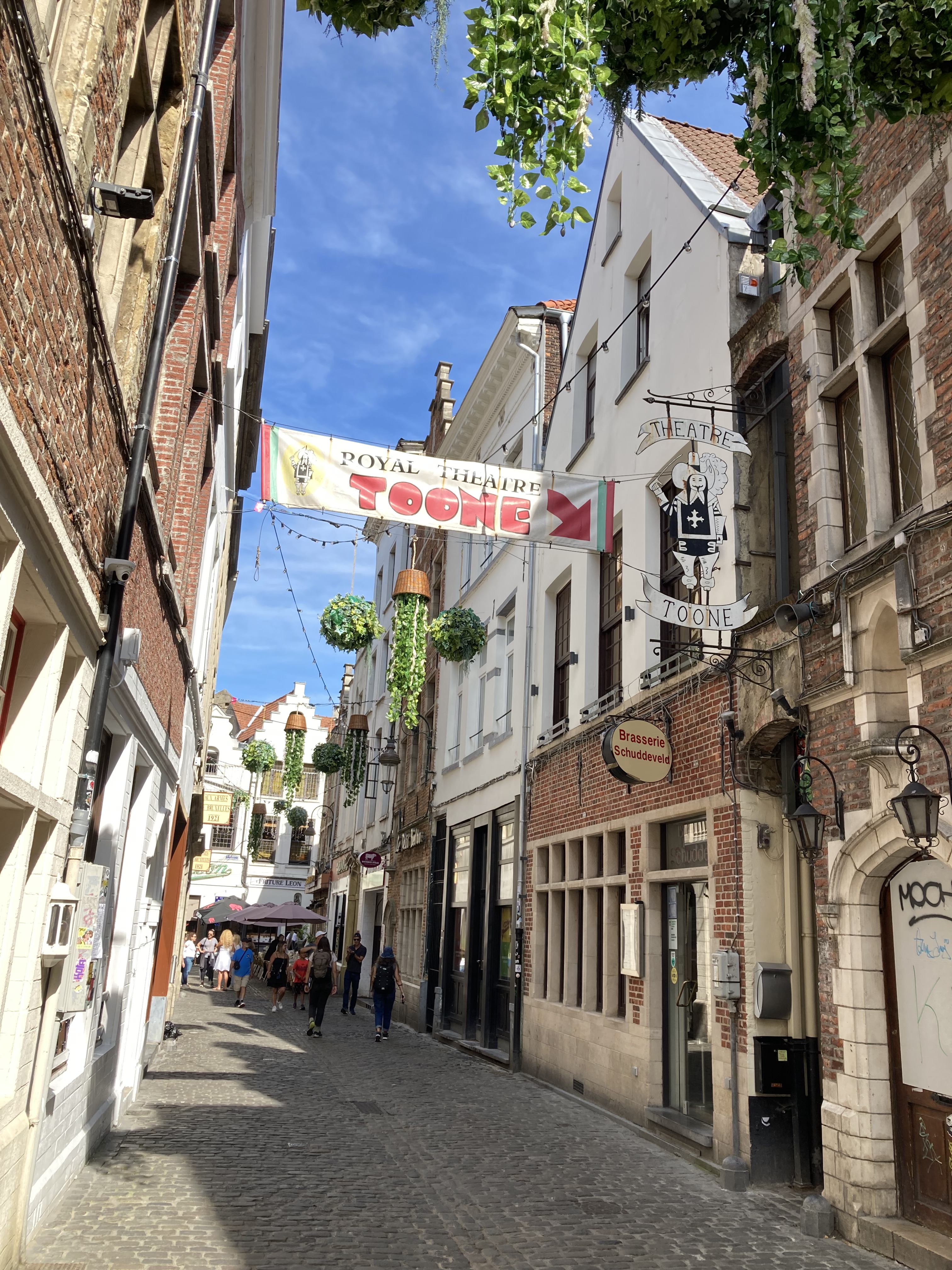
First and probably the most obvious culture shock which I encountered almost immediately was the language, or in this case I should say languages. Belgium is a very diverse country being split into Flanders in the North, an area where Dutch is usually spoken, and Wallonia in the South, where French is usually spoken. There is also an area in the East of the country which speaks German. Brussels is an interesting exception, however. The city is mostly French speaking but that does not mean that you won’t see or hear any Dutch and German. This came as a surprise to me at first as I had been expecting French to be the dominant language in the city, however, after living here for a couple of weeks I can now comfortably say that I may have been wrong. I personally feel that Brussels shows a balanced representation of the two languages, although French is quite commonly spoken amongst the locals more than Dutch. Because of this, I quickly came across a few culture shocks which did not cross my mind before entering the country and I am sure I will come across more of if I were to leave Brussels and explore other parts of the country.
- Transport/Signage: Knowing some Dutch will definitely come in useful for this as a lot of the signage and notices for public transport give both their French and Dutch names. For example, an announcement on the metro for ‘Arts-Loi’ will also say the Dutch equivalent, ‘Kunst-Wet’. When travelling on public transport, it is beneficial to know both the French and the Dutch names for the places/stops you intend to use the most.
- Shopping: Perhaps more of unexpected point but I did find shopping a little more time consuming than usual. Part of the issue was like any new shop, finding the aisle and the item was like finding my way through a maze at times. In addition to the new environment, reading the labels and cooking instructions added another challenge. It was made a little more confusing due to the fact that most products had their labels written in both French and Dutch. As someone who is learning both French and German, this would sometimes cause confusion but also prove useful in strange and unexpected situations. For instance, Dutch and German share some similarities in vocabulary, so whenever I found it difficult to understand the French, I would look to the Dutch for some help.
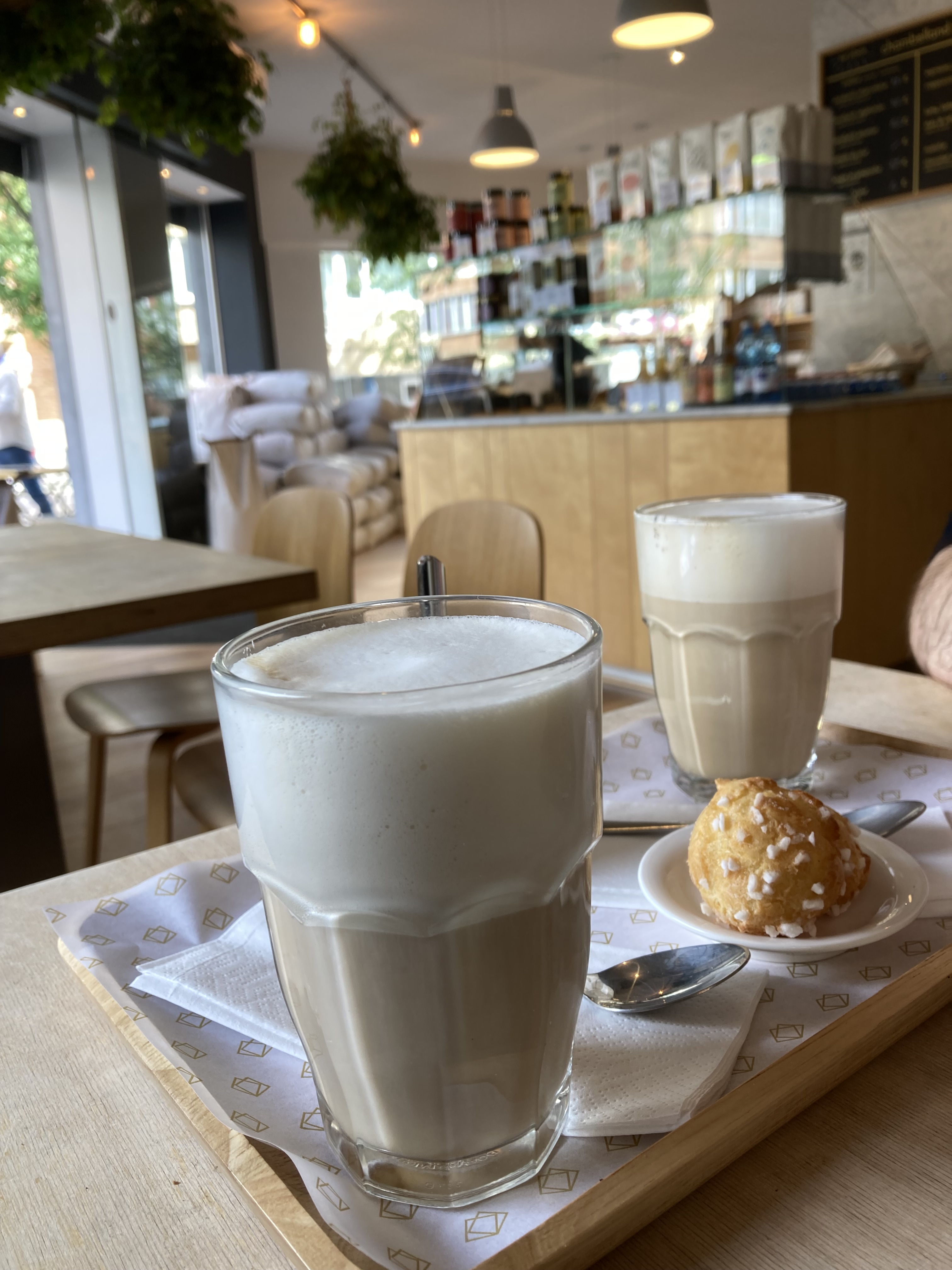
- Knowing the Language for specific situations: Now, even though I am studying languages, there were definitely a few words and phrases which I wish they had taught me in School or at University. Phrases useful for ordering in a café, for example, ‘à emporter’ means ‘to take away’. I have certainly noticed that after learning a few phrases for situations such as being in a shop or a café, I have been able to listen out for the questions asked which require those answers.
There are a few other non-language related culture shocks which I have encountered already, such as:
- Closing Times: This was an element which surprised me quite a bit. The shops, particularly Carrefour, close quite early compared to the UK. The usual closing time for most shops is around 7pm. So, if you are someone who is used to delaying shopping until the last minute or until the evening, this may be an adjustment which you will need to make.
- Sundays: Most shops and restaurants are closed on a Sunday, apart from a few exception such as Carrefour, Aldi and Lidl, for example. Most museums and tourist attractions remain open on a Sunday, so if you are looking for something to do, there are plenty of places to visit.
- Transport: Public Transport in Brussels is very handy and efficient. Although on a map the city looks like everything is within a comfortable walking distance, in reality this is not the case. But not to worry! Buses run usually around every 6-10 minutes and are very easy to use. The same goes for the metro and trams. Once you have figured out the stops you need to use or the line you need to take, it’s like a piece of cake! If you are a student, I definitely recommend getting a travel card – something I will talk more about in another post.
- Roads: Another obvious point- in Belgium, vehicles drive on the RIGHT side of the road. Even after two weeks I am still struggling to get used to this and always need to think about what bus stop I need to be at to go in the direction I want to travel in.
Final Thoughts?
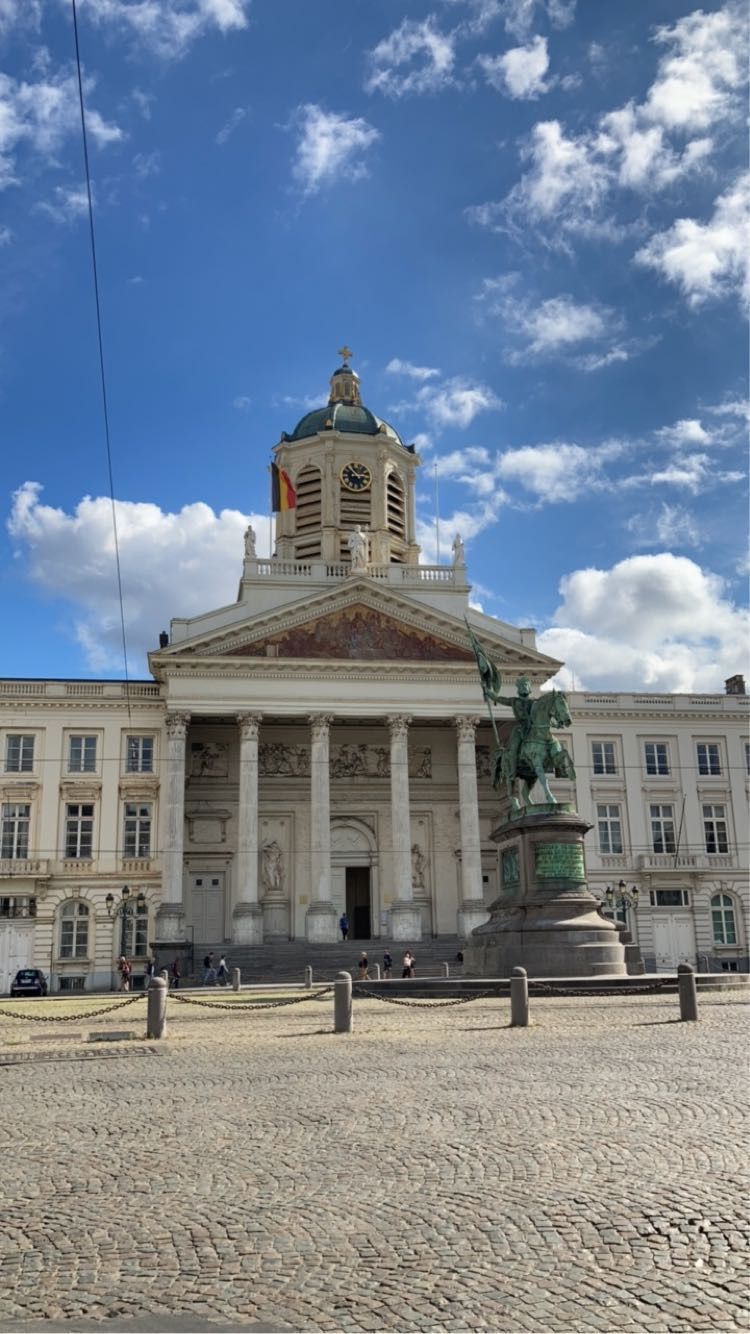
These past two weeks in Belgium have been packed full of sightseeing and adventure. Although I was anxious at first, I have found that forcing myself to adventure outside and perhaps go to a café has given me the confidence to be able to try to speak French more. I have found that the more that I place myself in environments and situations where I am surrounded by the language, the more I start to feel comfortable and my ears are become more in tune with my surroundings.
I am looking forward to next week as I begin my studies at Université Libre de Bruxelles. Perhaps I will encounter more culture shocks as I continue my studies here this semester.



 University of Edinburgh Go Abroad
Leave a comment